Complete Guide
Dunhuang & Jiuquan: The Complete Guide
Everything you need to plan your Silk Road journey. Attractions, logistics, food, safety, and honest advice from people who have been there.
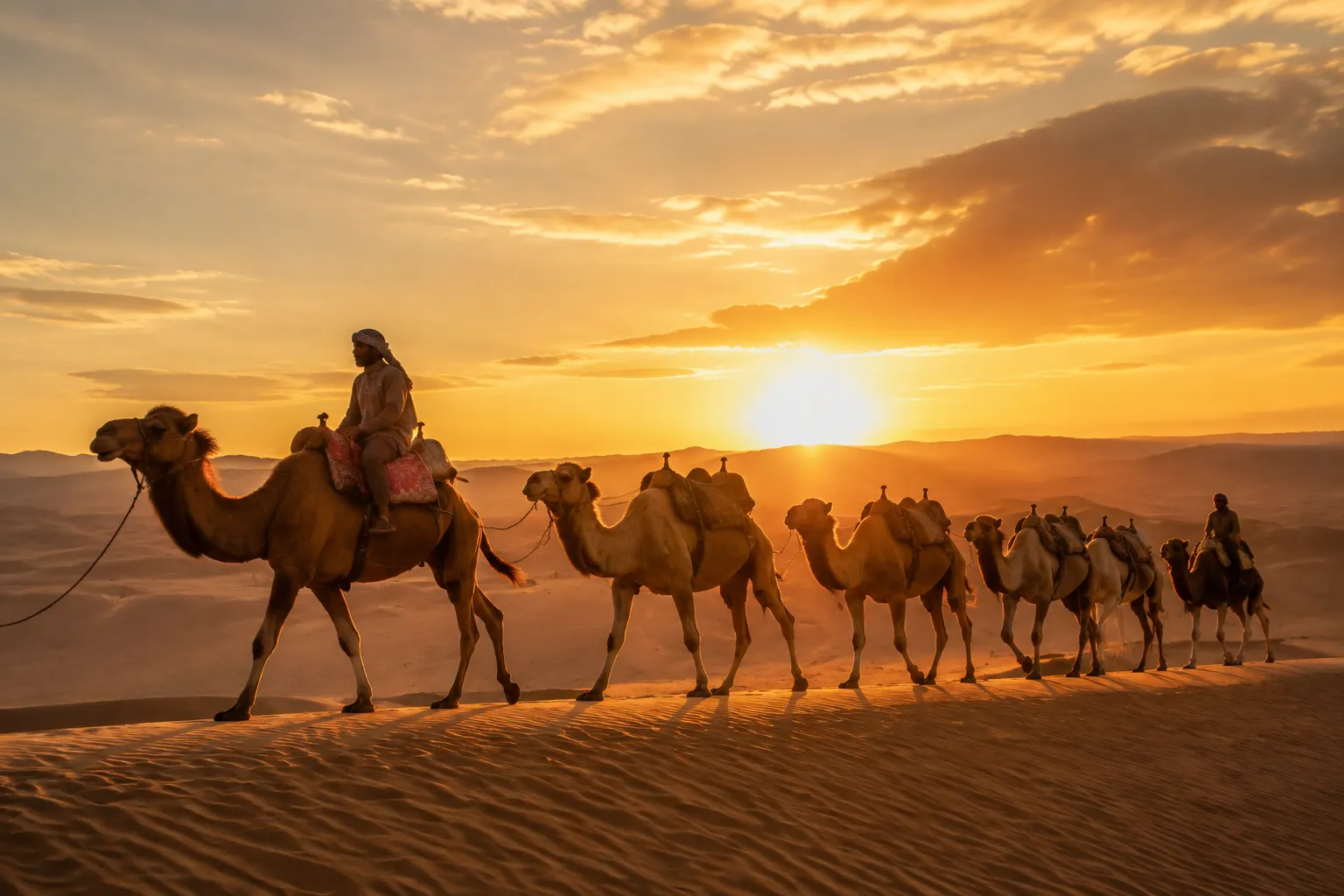
What Are Dunhuang & Jiuquan?
Dunhuang and Jiuquan are two historic cities in Gansu Province, northwest China, sitting along the ancient Silk Road's Hexi Corridor. Dunhuang is an oasis city that hosted caravans for two millennia and is home to the Mogao Caves, a UNESCO World Heritage Site. Jiuquan, 400 km east, guards Jiayuguan Fort — the western terminus of the Ming Dynasty Great Wall — and hosts China's satellite launch center.
Connected by a 2.5-hour high-speed train, the two cities form the cultural heart of China's Silk Road. Dunhuang gives you art, desert dunes, and backpacker energy. Jiuquan gives you military history, space exploration, and a rawer, less-touristy Gansu. Most travelers visit both in one trip. This guide tells you how.
At a Glance
Province
Gansu
UNESCO Sites
1 (Mogao)
Distance
400 km apart
Train
2.5 hours
Best Season
May-Jun, Sep-Oct
Budget
$40-200/day
Visa
Required
Airports
DNH / JGN
Dunhuang Highlights
Mogao Caves
UNESCO World Heritage Site with 492 caves of Buddhist murals spanning 1,000 years. The world's finest collection of Buddhist cave art. A-tickets (8 caves, CNY 238) must be booked 1-4 weeks ahead. English guides available. Photography forbidden inside. Full Mogao guide →
Crescent Lake & Singing Sand Dunes
A natural spring-fed lake surrounded by 250-meter dunes on the edge of Dunhuang. Walk, ride a camel (CNY 100), or sandboard. Best at sunrise or sunset when the dunes glow golden. Ticket valid for 3 days. Full Crescent Lake guide →
Yadan National Geopark
Surreal wind-carved rock formations 180 km northwest. Known as Ghost City. Best combined with Yumen Pass on a full-day trip (private driver CNY 600-800). Go at sunset for dramatic shadows and colors. Full Yadan guide →
Yumen Pass & Han Great Wall
The Jade Gate — one of the most famous Silk Road frontier passes. Han Dynasty Great Wall remnants here are among China's oldest surviving wall sections. Combine with Yadan for a full-day west line trip.
Jiuquan Highlights
Jiayuguan Fort
Westernmost fortress of the Ming Great Wall — the 'First and Greatest Pass Under Heaven.' Built 1372, remarkably preserved. Combined ticket (CNY 120) includes the fort, museum, and Overhanging Great Wall. Best in morning.
Overhanging Great Wall
Dramatic Great Wall section climbing steeply up the Qilian Mountains. A challenging 30-minute uphill climb with incredible views of snow-capped peaks. Included in Jiayuguan combined ticket.
Satellite Launch Center
China's primary spaceport — all crewed missions launch from here. Visitor center open to public (CNY 150, passport required, book ahead via tour operator). Rare chance to stand at an active space facility.
Wei-Jin Dynasty Tombs
Underground 3rd-5th century brick tombs with remarkably preserved murals of Silk Road daily life (farming, feasting, hunting). Fewer visitors than Mogao but equally fascinating. CNY 80 with English guide.
Foreigner Friendliness Score
How easy is each attraction for non-Chinese speakers? Rated 1 (difficult) to 5 (easy) based on English signage, booking accessibility, and transport options.
Practical Tips for Foreign Travelers
- Install Alipay before arriving and link your Visa/Mastercard. Cashless payments are nearly universal in China. Carry some RMB for night markets.
- Install a VPN before entering China. Google, Instagram, WhatsApp are blocked. Astrill and ExpressVPN work reliably in Gansu.
- Download offline maps. Google Maps has location offset. Apple Maps works on iPhones in China. Maps.me with offline Gansu maps is essential.
- Pack layers. Gobi Desert has extreme temperature swings: 38C summer days, 15C at night. Spring and autumn need a warm jacket for mornings.
- Carry your passport at all times. Required for train tickets, hotels, and attractions. Police checks are rare but legal.
- Book Mogao Caves 1-4 weeks ahead in peak season (May-October). A-tickets sell out. Use WeChat mini-program, Trip.com, or hotel concierge.
Ready to plan?
Use our itinerary planner or jump to specific guides.